The Packaging South Asia one-day conference in Mumbai on 9 October at the Novotel Hotel in Andheri looks at the transformative possibilities of improving the packaging industry’s triple bottom line of profit, people, and planet.
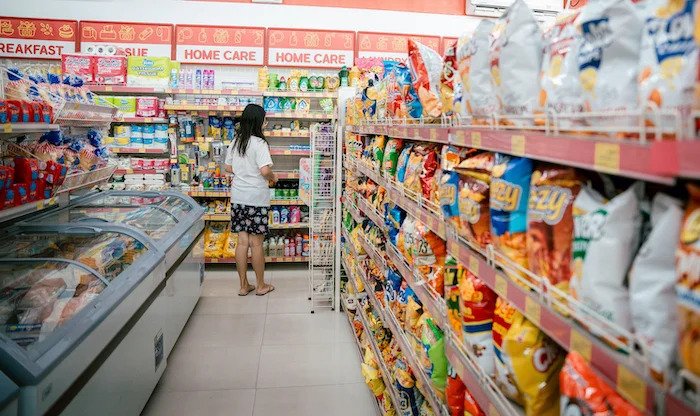
New products and the modernization of the supply chain are driving packaging growth in India. The resilience of the economy is aided by a wide range of efficient packaging that continues to stock the shelves and deliver products in disruptive times such as the COVID-19 pandemic and the current energy crisis and supply chain disruption brought on by geopolitical events. Packaging is a key contributor to the growth, scale, continuity and innovation of brands in a resilient economy. Packaging provides the fuel for a brand’s growth.
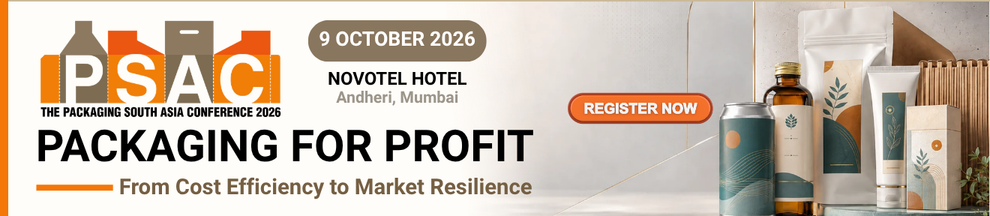
With its theme of packaging for profit, the interactive and conversational event with six meaningful sessions will examine the new role of packaging in a changing context of consumers, including Gen Z and Gen Alpha as well as the role of startups and eCommerce.
Future products, supply chains and packaging need to be compliant with regulations including sustainability and this will require not just technology but also design thinking for innovations to enable brand success. The Packaging South Asia Conference on 9 October in Mumbai will present packaging experiences, choices, and case studies of brands and packaging suppliers collaborating to unlock technology led value.
At a time of intense cost pressure on raw materials and overall inflationary conditions, IppStar’s one-day conference in Mumbai this year looks at the transformative possibilities of improving the packaging industry’s profitability. Apart from looking at packaging’s contribution to the growth and profit of the consumer economy, we will examine the efficiencies of the packaging supply chain to find the bottlenecks and constraints that can be reduced by data and automation. The idea is to look at the practical steps to streamline the industry to benefit the brand owners, material suppliers, packaging converters, copackers, and retailers. We have to align each process in the supply chain.
From consumer product development to the optimal design of packaging for effective protection, efficient logistics, and waste recovery, can an examination of the fair cost, timeliness, and price of each process enhance the overall viability of the supply chain? What is the fair value of packaging that ensures the safety of food products and extends their shelf life? To the consumer, most of all? To the brand owner and food processor, and to the economy? In other words, where is the value for each stakeholder?
We plan to examine the issues of compliance and competition in an open economy. Can companies that comply with various regulations compete with companies that don’t? How can companies remain profitable without large amounts of working capital invested in raw materials, especially at a time of global economic crisis?
Are reverse auctions by brand owners really the most efficient method of price discovery for packaging? Are there too many packaging suppliers? Or is the problem that they are undifferentiated? Are the current methods of qualifying and developing packaging vendors lacking in criteria, or is this now a meaningless concept?
The Packaging South Asia Conference in Mumbai on 9 October plans to look at growth and scaling strategies beyond simply adding printing and converting capacity. It will discuss investment in automation and innovation and how to get these to yield quantifiable results that add to the bottom line.
The next set of innovations is not necessarily new machines or technology, but concepts and ecosystems that begin with industry leaders agreeing on the challenges. And starting conversations that are influential and collaborative with design thinkers, tech, and raw material suppliers, converters, co-packers, and brand owners.
This is a next-generation conference – literally and in terms of building economic products and packaging systems that are data- and cloud-aware. We invite those who can articulate the challenges and share their experience and ideas for the development, marketing, and supply of new products. Where demand, logistics, and packaging come first, and the product is imagined and designed to fit the supply chain.
Who will lead innovation? Suppliers of tech, packaging converters, or brand owners? Over the past years, there has been much talk of innovation and sustainability. How can AI influence the packaging industry? Some pioneering efforts and collabs have taken place. Here is a one-day opportunity to discuss your ideas openly with others ready to share the challenges of long-term, structured growth that many packaging companies are facing at various points in their journey.
There may not be any easy or simple answers, but the number of packaging companies that are attempting to grow is increasing. While SKU volumes and formats are growing, what are the most profitable paths to investment in capacity? How can sustainability enable resilience in today’s context and the foreseeable future? Can the industry build an ecosystem in which excellence in quality and efficiency go hand in hand with profitability? Join us for these interesting conversations in Mumbai on 9 October at the Novotel in Mumbai.
Register now:- https://thepackagingsouthasia.ippstar.org/