As Indian industries explore alternatives to conventional plastic packaging, paper-based solutions are gaining traction across the FMCG, food and beverages, eCommerce and retail segments. While corrugated boxes, paperboard cartons and paper bags are already commercially established, the next phase of adoption will depend on improving the functional performance of paper packaging, particularly its resistance to moisture, grease and liquids, without compromising recyclability and cost competitiveness, according to Nitin Kaushal, founder and CEO, SFK Group.
For the SFK group of companies, this transition represents an opportunity to build on its experience in paper trading, duplex paperboard supply and industrial automation. Over the past decade, the group has built business relationships across the paper and packaging value chain, including manufacturers and FMCG companies.
One of its significant engagements is with Goldiee Masala, for which SFK Group supplies approximately 250 metric tons of duplex paperboard every month for carton production. The association highlights the continuing importance of paperboard in secondary FMCG packaging, where material consistency, dependable supply and commercial viability are essential.
According to Kaushal, India has considerable potential to replace plastic with paper in several packaging applications. eCommerce, retail, food service and secondary FMCG packaging are among the segments offering opportunities for wider adoption.
“Many types of paper packaging products, such as corrugated boxes, paperboard cartons, and paper bags, can be conveniently applied in different situations because they are commercially viable,” he says.
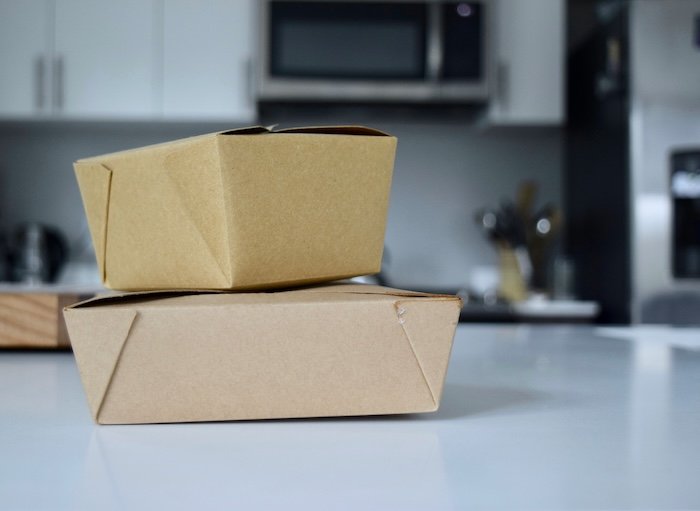
Food service presents another opportunity through paper cups and containers, although moisture and grease resistance remain important technical considerations. Industrial packaging, meanwhile, requires particular attention to strength and durability to ensure products remain protected throughout storage and transportation.
The barrier challenge
A major technical challenge in replacing plastic with paper is achieving the barrier properties required for specific packaging applications. Moisture, grease, oxygen, and liquid resistance are critical performance parameters, particularly in food packaging.
The industry is exploring water-based dispersion coatings, bio-based barriers and advanced surface treatments to improve the protective properties of paper-based materials. However, achieving effective oxygen barriers and liquid containment is more demanding and requires further material development.
Kaushal believes the next generation of paper packaging must balance functional performance with end-of-life considerations. “Innovation should focus on providing the right degree of protection while ensuring cost-effectiveness and compatibility with traditional recycling,” he says.
This balance becomes particularly important when paperboard products incorporate polymer coatings, adhesives or multilayer structures. Although the base material may be paper, additional components can complicate fiber recovery and recycling.
Material performance under Indian conditions
Paper packaging’s performance in India’s climatic conditions is another important consideration. High humidity, particularly during the monsoon, can affect paperboard stiffness, dimensional stability and compression strength. These factors can influence packaging performance during transportation and shelf storage.
Compared with plastic, paper-based alternatives often require additional engineering to withstand prolonged exposure to moisture, grease and liquids. Material selection, coating quality and storage conditions, therefore, become critical.
Drawing on SFK Group’s experience in duplex paperboard supply for FMCG applications, Kaushal highlights the importance of thickness, strength and surface quality.
“Application-related testing of paper-based products is a must before use in humid climates, during transport and in shelf storage,” he says.
For converters, this means evaluating paperboard according to the specific requirements of the intended application rather than relying exclusively on general material specifications.
Economics and manufacturing efficiency
While sustainability is increasingly influencing packaging decisions, cost remains a major determinant of adoption, particularly among mass-market businesses. The price difference between plastic and paper packaging depends on material characteristics, application requirements, and production volumes.
According to Kaushal, paperboard grades, raw material prices, tooling investments, production equipment efficiency, and rejection rates all influence the commercial viability of paper packaging.
Higher-performance coatings and converting processes can increase costs, while larger production volumes can help improve procurement, manufacturing and logistics efficiencies.
“Successful implementation of sustainable packaging solutions is possible by minimizing inefficiencies in production and providing high enough quality of products at competitive prices,” Kaushal says.
Variations in paperboard thickness, moisture content and rigidity can affect production speeds and increase rejection rates. Cracking during folding, inconsistent sealing, coating defects and dimensional variations are among the common operational challenges.
Quality, sourcing and sustainability assessment
Raw material sourcing also influences the economics of paper packaging. Changes in virgin fiber, recovered paper, energy and transportation costs can affect production costs and material pricing. The quality of recovered pulp, moisture levels and contamination influence the efficiency of paperboard manufacturing and conversion.
Food-contact applications introduce additional requirements related to material traceability, inks, adhesives, coatings and contamination risks. Manufacturers must consider the composition of the packaged food and the nature and duration of contact between the product and packaging. Recovered fibre containing ink residues, oils and other contaminants requires careful assessment against applicable food-contact requirements.
Kaushal believes that diversified sourcing, supplier cooperation, quality checks and efficient inventory management are essential to maintaining consistent specifications and competitive pricing.
Next phase of growth
FMCG, food and beverages, eCommerce and retail drive demand for sustainable paper packaging in India. Environmental awareness, regulatory developments and corporate sustainability commitments are encouraging companies to explore alternatives to conventional plastics. However, product protection, material quality, supply reliability and pricing continue to determine purchasing decisions.
While some premium brands are willing to pay more for environmentally responsible packaging, most mass-market businesses continue to seek cost parity.
For the SFK Group, future opportunities include forward integration, recyclable barrier-finished paperboards and lightweight packaging. Kaushal expects automation, advanced fiber engineering and eco-friendly secondary packaging to contribute significantly to the industry’s development over the next three to five years.
With its established presence in paper trading and duplex paperboard supply, alongside experience in industrial automation, the SFK Group sees opportunities to combine material expertise with manufacturing efficiencies.