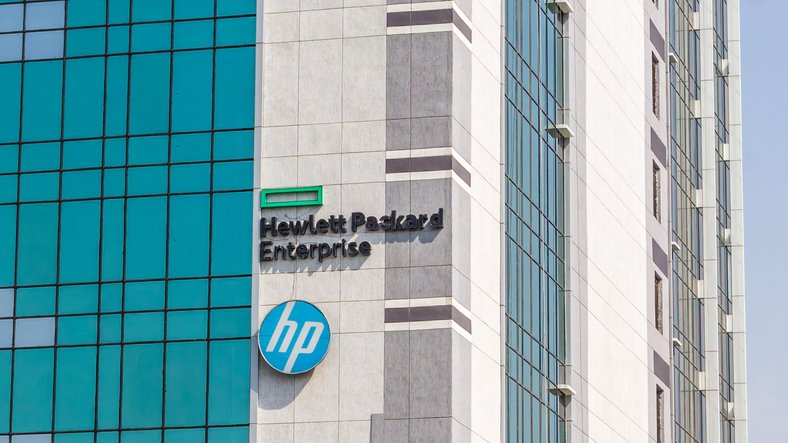
In an interview with The Times of India, Satish Kumar, senior director of the print category at HP India, highlighted a fundamental shift in how Indian Micro, Small, and Medium Enterprises (MSMEs) approach technology. Rather than viewing printers as isolated hardware, businesses are increasingly seeking integrated ecosystems.
This trend is driven by a need for connected, secure, and scalable solutions that work seamlessly across various devices. To support this, HP is leveraging its One HP strategy, which unifies printers, PCs, and software into a cohesive experience, helping businesses streamline their workflows in an increasingly digital environment.
Accessibility and convenience have also become critical drivers for growth, particularly in Tier 2 and Tier 3 cities. The transition from traditional retail to eCommerce has brought greater pricing transparency, leading customers to evaluate the total cost of ownership rather than just the initial purchase price.
To meet these evolving expectations, HP has partnered with quick-commerce platforms like Blinkit to offer print-as-a-service, delivering physical prints to users’ doorsteps within minutes. This move aims to bridge the gap in a market where home printing penetration remains low, at only about 2–3%.
Sustainability is no longer a secondary concern but a primary design and supply-chain priority. Driven by evolving regulations and responsible sourcing requirements, enterprises are now prioritizing product longevity, energy efficiency, and recycled materials.
Kumar told the newspaper that programs such as HP Planet Partners, which facilitate the recycling of used cartridges and hardware, are essential in meeting the expectations of modern Indian businesses. By focusing on these environmental factors, HP aims to align its growth with the circular economy.
Finally, the rise of hybrid work is reshaping the relationship between physical print and digital collaboration. Rather than being phased out by digital tools, printing is evolving to complement them, with a renewed focus on user experience and productivity.
Kumar emphasized that the future of work in India is increasingly hybrid and intelligent, requiring solutions that anticipate customer needs. By integrating hardware with intuitive software and predictable contractual service models, HP intends to remain a central part of the modern Indian office, regardless of where that office is located.