Global impunity for journalist killings has risen for the first time since UNESCO began measuring it in 2012, according to the latest report from the UN cultural organization. Covering January 2024 to December 2025, the report finds impunity rose to 86% (six out of seven killings unpunished), up from 85% in the previous biennium, reversing 14 years of gradual progress.
Since UNESCO began systematic monitoring in 2006, 1,641 journalists have been killed, roughly one every four days.
The report says 189 journalists were killed in 2024 and 2025, 20% more than in the previous biennium. Just over two-thirds, 127, died in conflict zones. The Arab States recorded the most killings (89), followed by Latin America and the Caribbean (37), which is not classified as a conflict zone. 92% of those killed were reporting in their own countries.
UNESCO director-general Khaled El-Enany said journalists are increasingly paying with their lives for reporting from the frontlines, and those responsible are far too often not held accountable. He reiterated his call to respect UN Security Council Resolution 2222 (2015) on protecting journalists as civilians in conflict, reaffirmed in the Pact for the Future.
New military technologies are transforming the risks faced by war reporters.
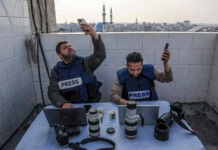
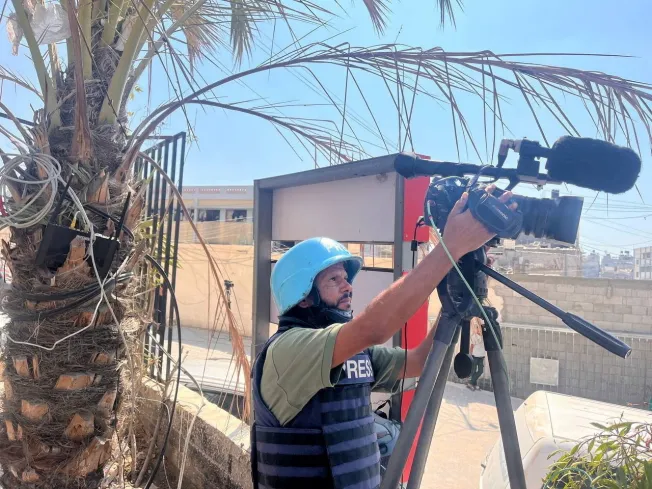
Drones are a new threat: 50 journalists, 40% of those killed in conflict zones, died in drone strikes. UNESCO documented seven incidents in which several journalists were killed in a single attack, including strikes on media workplaces and temporary reporting centers, and 15 journalists were reportedly killed wearing press vests or in vehicles marked “press.”\
Accountability is also weakening: only 62% of member states answered UNESCO’s requests about investigations, down from 80% in 2022-2023, and in conflict zones investigations are hampered by insecurity, institutional collapse and the absence of effective judicial processes.
Evidence of progress: in non-conflict countries, impunity has declined to 77%. It has fallen from 94% in 2012 to 77% in 2026, about one percentage point per year, and killings in non-conflict zones reached an 18-year low. This shows that progress is possible when governments invest in investigations, prosecutions and protection. Even so, reporting outside war zones remains dangerous: by beat, 38 of those killed covered general politics, 22 crime, 22 corruption, 22 other topics such as sports or entertainment, 3 land, resources and the environment, and 1 local elections.
Women journalists face particular risks, both in conflict zones and online. Of the 14 women journalists killed in 2024-2025, 93% died covering conflicts. A 2025 UN Women and ICFJ study found 75% of women journalists had been exposed to abuse, and the share reporting offline violence resulting from online violence doubled from 20% in 2020 to over 40% in 2025.
UNESCO’s report is published every two years to mark the International Day to End Impunity for Crimes against Journalists and is presented at the IPDC Intergovernmental Council Session.