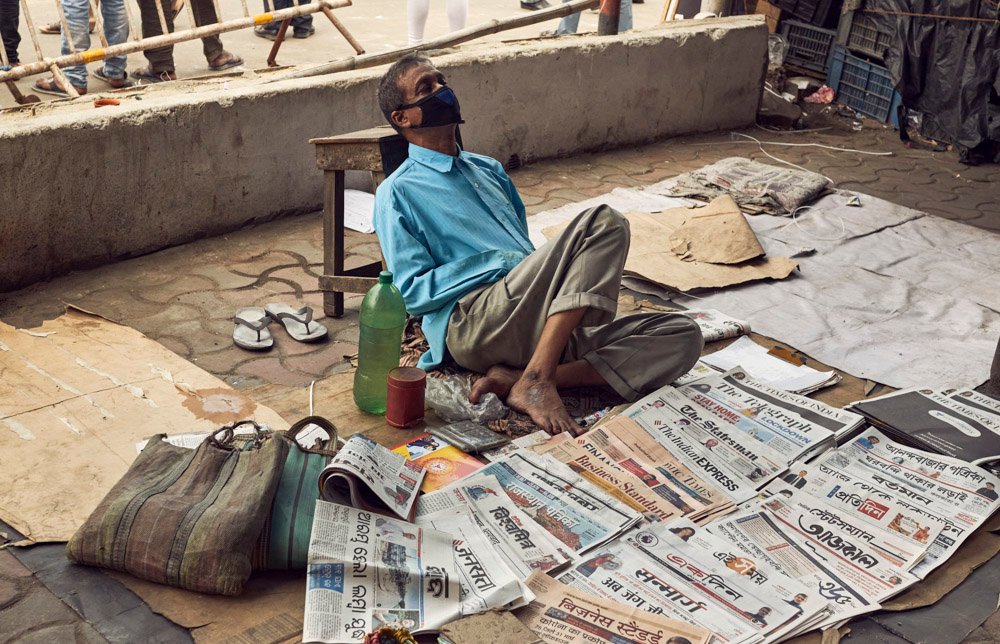
Indian Printer and Publisher has consistently written about the future of news media, the print segment and newspapers in particular, which have had a checkered existence in recent times. We have seen print go down to abysmal lows during the Covid pandemic in 2020-21, only to be written off by naysayers, and then slowly jump back to unbelievable levels.
In our September issue, researcher Purva Dwivedi takes a deep dive into the newspaper dynamics and traces the recovery of print media. IppStar’s 9-year review (www.ippstar.org) of 47 Indian newspaper groups reveals how the newspaper industry is still recovering from the pandemic shock, as its combined revenue has not yet reached the peak of FY 2018-19.

(We shall roll out the detailed reports over the next week. Don’t miss this space)
As we analyze, publishers should not treat lower newsprint prices as permanent, but instead invest savings in productivity, process control, energy efficiency, and maintenance, apart from building brand credibility and reader trust.
While print media is having its own set of issues, news media in general is also going through a rough patch. The challenge posed by the rise of non-legacy digital news media, alternative sources of news such as third-party platforms (YouTube, Meta etc), independent creators and news aggregators, as well the shifting readership habit of the younger generation (Gen Alpha, GenZ and the younger side of the Millennials) – which seems to be losing interest in news – is making survival increasingly difficult for media houses.
In fact, this has been the subject of intense debate and discussion at recent news media conferences organized by news publishers’ organizations such as INMA and Wan-Ifra as well as media analyses by the credible Reuters Institute for the Study of Journalism, which we have written about and also cover in this issue.
Pointing to shrinking confidence in the legacy news media, the Reuters report states that trust in news has fallen to 37% globally (39% in India), its lowest point in a decade, ever since the institute started measuring the metric in 2015. There has been a disruption in the news ecosystem as audiences turn to creators and video-led platforms for information. News, on the other hand, is becoming less central to daily life, and harder to monetize.
Feeling the pinch, legacy news media houses, including print, are now diversifying to other sources such as digital news, events and conferences, OOH advertising, video, eCommerce, concerts, CTV, films and even packaging – leveraging the trust and credibility their brands have built over the years and decades.
Amid the debate, there were a few areas of consensus among the majority of the news media leaders – print still has some steam left, at least in India, but it’s just a matter of time before the new audience cohorts reject it completely. A hybrid coexistence with digital may prevail for some time.
But then digital discovery is itself under attack from AI overviews and other emerging forms of digital media such as videos, news capsules, short text with photos, or graphic explainers preferred by young readers who find long-winded text boring.
There is no denying that audience preferences are changing in every category across industries, and news media is no exception. And only those who innovate and adapt will survive the game.