At Hipzone I’ve been a strong advocate for integrated media production as a way to help traditional media companies compete with digital rivals. For over a decade, I have consulted with major media companies across the country as they built systems that would enable them to distribute more content over more channels at the lowest possible costs in time and dollars. Sometimes, despite our best efforts, an integrated initiative just wouldn’t take hold with a client. Meanwhile, a competitor using the same products would achieve significantly better results in much less time. After seeing both failed and successful projects, I submit that the core ingredient to successful media system development is … people. Not just a star or ‘champion’ individual, but an aligned team that’s committed to a new way of making and delivering content.
Media companies that impulsively throw money at what everyone else is buying in an attempt to solve a problem will almost certainly fail. Regardless of what products you select or which consultants you hire, systems work when the company’s management has fully committed to the approach and is prepared to manage the change. Managers must cooperate and have cross boundaries for that goal even if it means going beyond their departmental interest. Staff must be allowed the schedule and resources to synchronize these changes in concert with daily operations.

Integrated media system
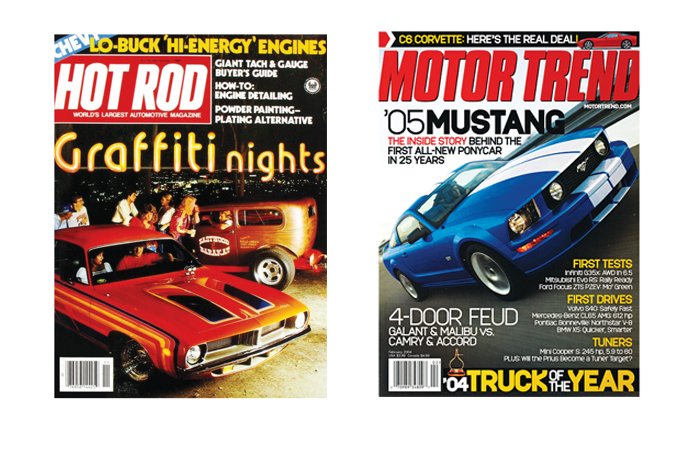
When a group like this runs the gauntlet, the benefits are clear. Integrated systems deliver content seamlessly across multiple channels and scale to an ever-growing number of distribution streams with little marginal cost for every new delivery path. I have proof with Ten: The Enthusiast Network, publisher of more than 50 monthly consumer brands, including Motor Trend and Hot Rod. Over the past year, I have worked at Ten on projects supporting the goal set by leadership to ‘transform’ its magazine business. They set course as a media company to remain relevant for the next generation of enthusiasts and to sustain profits for their shareholders.
The seeds of change came from the top, and after a year they are starting to bear fruit. It took legendary editorial egos to come down from their perches and commit heavily to new forms of media; corporate hawks to retract their claws and sweep away old lines of command and control; and the spirit of the company’s working staff and freelancers to work later and longer for no extra pay or job security to see the plan through. That level of commitment by people across all levels of the company acting as a team is what it takes to make the transition from being a magazine publisher to becoming a media company. Installing an integrated media system is just one small part.
Digital revenue models
Working in concert with all the other parts of the organization, an integrated media system can generate results that matter to readers, advertisers and owners. The software isn’t the actual system; the team is the system. Is it worth all the pain that Ten went through along the way? As the company managed the transformation, the industry continued to change. Ten still faces the headwinds that all traditional media companies must confront with digital revenue models trying to support brick-and- mortar infrastructure. What Ten gets from its integrated media strategy is survival value. Leadership can support an entrepreneurial publisher of a smaller brand trying an entirely new idea in social sponsorship without fear or politics. And when it works, management can quickly replicate and scale the idea by simple virtue of being a more dynamic, integrated organization. Staff can also adapt, discarding failure quickly and operating with a cost structure to sustain experimentation on new platforms. Integrated media companies are better positioned to not only survive, but also to adapt to change and flourish in the face of an otherwise uncertain future.