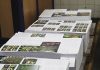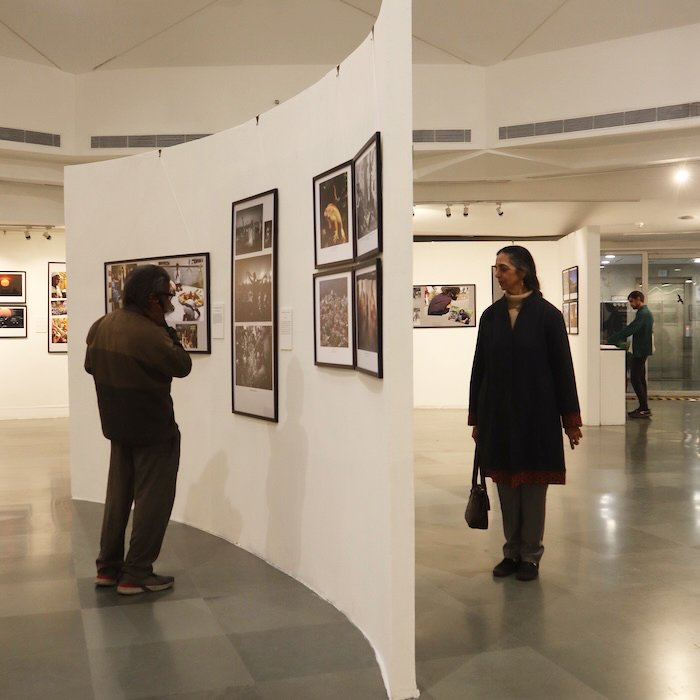
The Big Picture 2025, at the India International Centre (IIC) from 20 to 30 December 2025, highlighted a compelling and contemporary visual archive of the country. Curated as a collective showcase of Indian photojournalism, the exhibition brought together images that go beyond daily political coverage and establish the cultural context and lived realities of our experience.
The 7th joint exhibition of the All India Working News Cameramen’s Association displayed the work of 70 professional photojournalists across the country, including Raghu Rai, Abhishek Pande, Ajay Bedi, Dheeraj Paul, K Asif, and Sipra Das.

The exhibition highlights photojournalism’s role in documenting history and society, at a time when AI and digital manipulation are raising questions about authenticity in visual media. Sondeep Shankar, who took over three months to curate this year’s show, said to The Times of India, “Photojournalism is the visual documentation of history. The exhibition has no theme, and the idea is to encourage photojournalists to showcase their work, even if these images have been published earlier. With the use of AI becoming all pervasive, the exhibit is an endeavour to uphold the ethics that photojournalists and camerapersons must adhere to.”
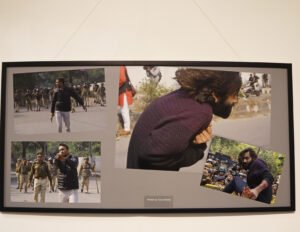
Wandering through the gallery, one sees diverse narratives. The photographs capture moments of political unrest, environmental vulnerability, cultural resilience, everyday survival, and the silence of human emotion. Several frames are raw and confrontational, depicting conflict, displacement, defiance, and protest, while others are intimate, frozen portrayals of fleeting joy, grief, faith, or fatigue. Historic moments in various fields are brought into the frames, and the exhibition becomes another context of looking around and looking back through a lens.
What makes The Big Picture 2025 impactful is the clarity of intent behind the images. These are not photographs created for virality or visual spectacle; they are documents of record. Each frame bears the imprint of the photographer’s presence on the ground—waiting, observing, engaging, and responding to unfolding events. The exhibition reminds viewers that photojournalism is not merely about being at the right place at the right time, but about understanding context and earning trust to tell stories responsibly.
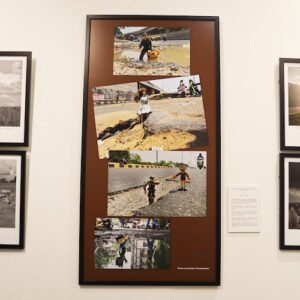
Photographs by Anindya Chattopadhyay showcased Delhi’s potholes in a comical and satirical manner. She included six comic characters in her frames, adding humour to the images, and titled the series – “When Six Comic Characters ‘Landed’ on Delhi Roads.” Images show Barbie with her legs stuck in a crack on a road in East Delhi’s Vinod Nagar, just below the Delhi-Meerut Expressway. Barbie’s mate Ken and Gian, from the Doraemon universe, were found deep in mucky water near the Sarai Kale Khan Interstate Bus Terminal.
Photojournalism in the age of AI
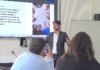
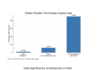
Alongside the exhibition, the WNCA hosted a workshop on Photography and AI. According to its members, the use of AI in photojournalism has become increasingly popular as a means to produce news content at lightning-speed in today’s fast-paced media environment. However, together with this new technological advancement come concerns about sacrificing authenticity and ethical journalism for the sake of efficiency. The members further note that although the use of AI is inevitable, the need is to explore how balancing efficiency with authenticity can lead to responsible reporting, with respect for both human dignity and journalistic standards.
Moreover, the exhibition echoes the idea, or perhaps the idealism, that photojournalism preserves empathy in storytelling. The photojournalists say that while AI can replicate form, it cannot replicate lived experience, emotional intelligence, or moral judgment.
The photographs at The Big Picture 2025 clearly underscore this distinction. They are not simulations of reality, but witnesses to it. In doing so, they attempt to reinforce the idea that truth, context, and human perspective remain central to meaningful visual communication in an era when every word and image is merely grist for the great mill of language learning models, which can produce deceptively realistic images, simulations, and hallucinations.
As AI continues to reshape content creation, The Big Picture 2025 serves as a reminder that real stories, told by real people, still matter.