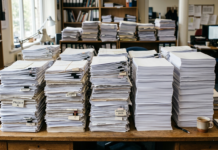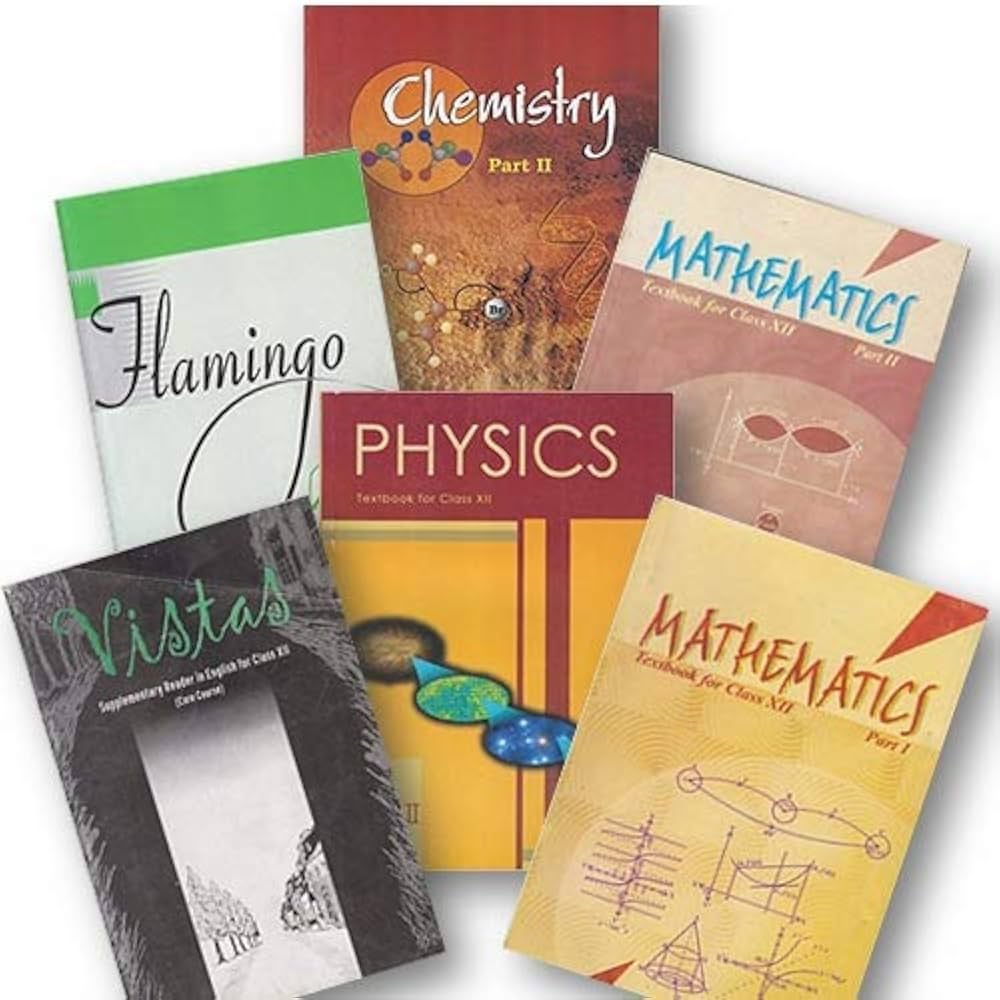
The government has revealed extensive details about the large-scale circulation of fake NCERT textbooks across India. Minister of state for education, Jayant Choudhary, informed the Lok Sabha that 51 FIRs have been filed over the past three years for the illegal printing and sale of counterfeit NCERT books, multiple media reports said.
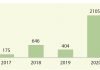
According to government data, the number of seized fake books rose dramatically in 2025, marking an 890% increase compared to previous years. Most of these cases were reported from bookshops and roadside stalls, with seizures beginning in 2023 and peaking in 2025.

Some of the largest confiscations occurred in Shahdara (Delhi), where around 1.96 lakh fake books were recovered, and Muzaffarnagar (Uttar Pradesh), where 1.33 lakh counterfeit copies were found. Other notable cases were reported from Hapur and Loni in Uttar Pradesh, and Muzaffarpur in Bihar, Careers 360 reported.
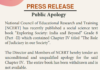
The government stated that certain private printers and dishonest sellers have been reproducing NCERT textbooks and selling them as originals — a clear violation of the Copyright Act, 1957. To curb this practice, NCERT has been working closely with police authorities, conducting awareness campaigns, and issuing public notices. Over the past three years, multiple arrests have been made and thousands of fake copies confiscated.
Several duplicate NCERT books were seized from 2023 to 2025. In 2023, 4,117 books were seized, 50,180 in 2024 and in 2025: 4,97,066 books were seized.
Haryana recorded the highest number of FIRs, followed by Delhi-NCR, Uttar Pradesh, Bihar, Rajasthan, and Madhya Pradesh, while West Bengal reported a smaller number of cases.
Growing threat
In August this year, Choudhary had presented a detailed account of the growing issue of fake NCERT textbooks in both the Lok Sabha and Rajya Sabha. He revealed that more than 4.7 lakh pirated NCERT books had been seized since 2024, reflecting a sharp and troubling rise in textbook piracy across the country.
According to the minister, NCERT had conducted 29 coordinated raids in various parts of India, uncovering a vast network of counterfeit book production. These operations led to the seizure of fake NCERT textbooks, counterfeit watermarked paper, and even sophisticated printing equipment — all together worth more than ₹20 crore. Over the past three years, 51 First Information Reports were filed against private printers, bookshops, and roadside vendors involved in this illegal trade, which violates the Copyright Act of 1957.
Choudhary emphasized that the sudden 890% spike in seizures in 2025 was particularly alarming. The surge, he said, revealed how deeply entrenched the piracy problem had become, driven largely by the commercial motives of individuals seeking to profit from unauthorized copies. Major raids were carried out in Delhi’s Shahdara and Uttar Pradesh’s Muzaffarnagar, both of which emerged as key hubs of the counterfeit trade.
In response, the government and NCERT have begun implementing a range of measures to curb the spread of fake books. To make original textbooks more accessible, prices were reduced by 20%. NCERT also improved print and paper quality to help readers distinguish genuine editions from fake ones. At the same time, online sales through verified e-commerce platforms were promoted to ensure that students and schools could easily obtain authentic copies.
Perhaps the most significant step, however, has been the introduction of a new technology-based anti-piracy solution developed and patented by IIT Kanpur. This system, piloted on a Grade 6 textbook, aims to make unauthorized duplication virtually impossible and represents a modern, innovative approach to protecting educational materials from counterfeiting.