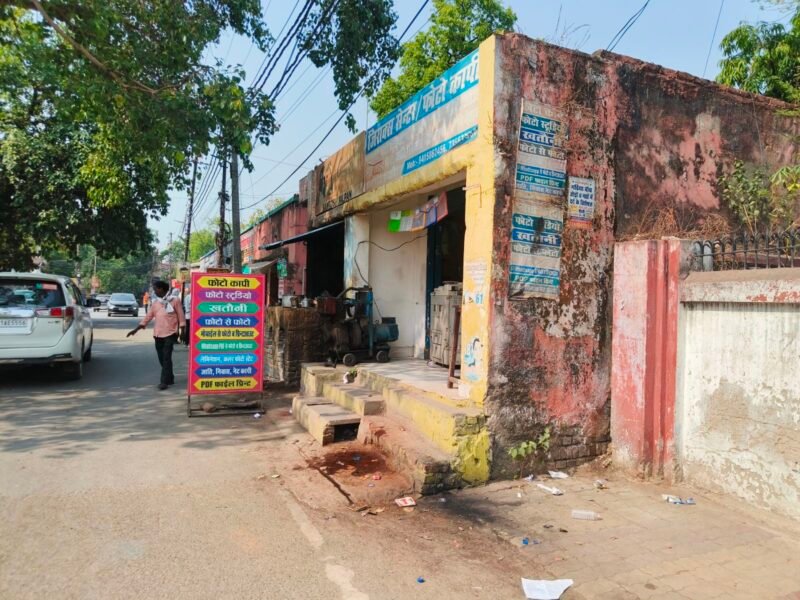
Located in eastern Uttar Pradesh—about 80 km east of Varanasi—Ghazipur is known for housing the world’s largest legal opium factory, its traditional rose-scented water (Gulab Jal) industry, and one of the four districts comprising the Varanasi division.
A recent visit to the city, however, revealed another side — a landscape undergoing robust economic development. New hotels and showrooms are under construction at more than 15 locations. On the streets, weathered, hand-painted signboards have rapidly been replaced by high-quality printed visuals.

While never known as a printing hub, Ghazipur’s commercial ecosystem is expanding. For instance, the number of local restaurants has tripled, welcoming new thematic cafes and established chains such as Pind Balluchi.
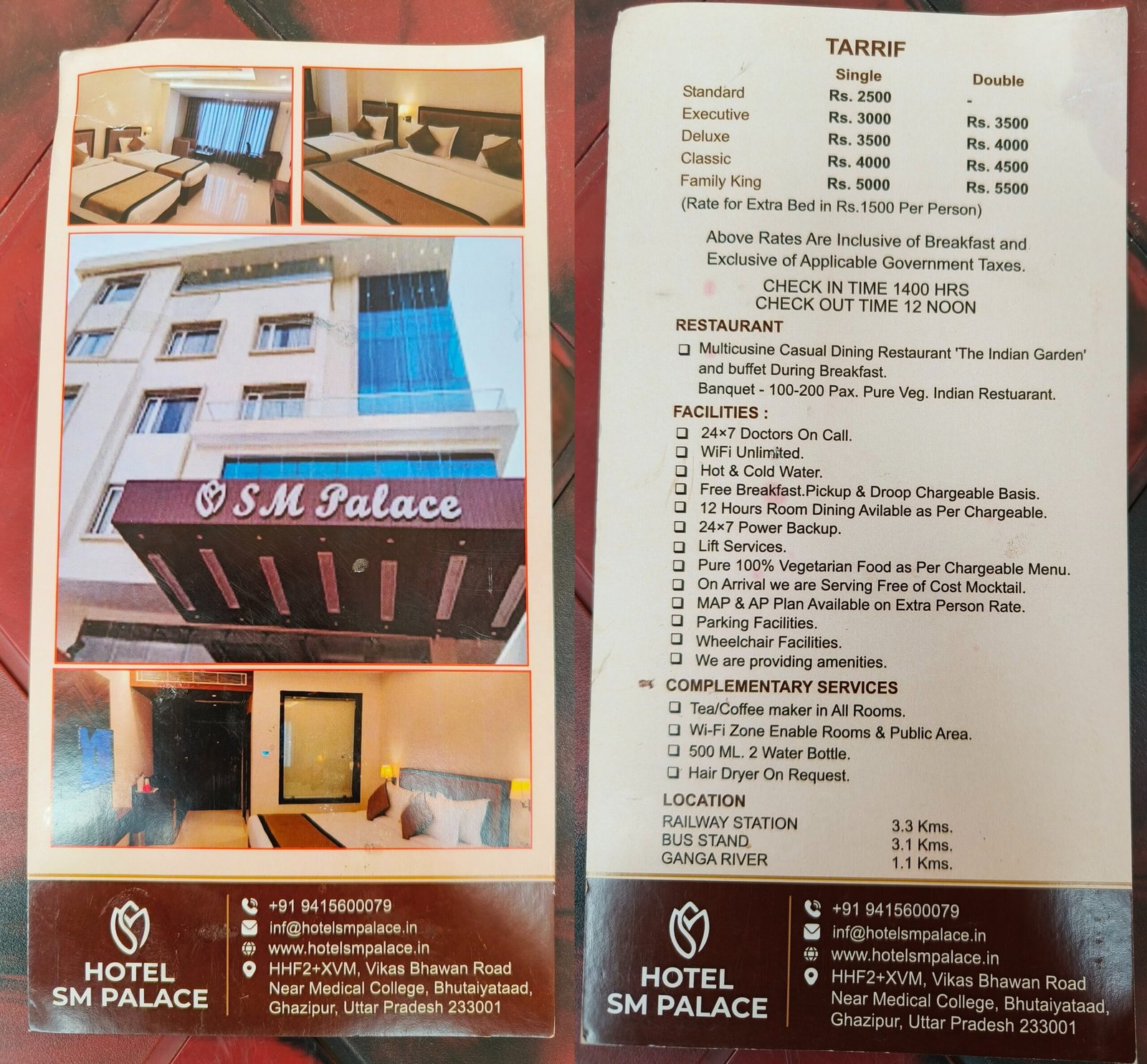
This commercial boom has triggered a rise in the demand for printed marketing collateral. Local hotels are now distributing neatly printed service brochures and tariff pamphlets, alongside embellished menu cards. For an added touch of sophistication, many hotel rooms have QR-based digital menus.
The shift in outdoor advertising is apparent. While large-format banners were previously reserved almost exclusively for political promotions, mainstream FMCG, cosmetic, and jewellery brands are now aggressive buyers of local display boards and standees.
Even the wedding card market is localizing. Earlier, premium marriage invitation cards were ordered from neighboring hubs such as Varanasi. Recently, a few specialized invitation printers established a permanent presence in Ghazipur. Steady market demand indicates that more entrants will soon view specialized print services as a viable, long-standing local business.
The most visible hardware powering this transition consists of desktop printers from Epson and light production machines from Canon and Xerox, while the local signage and screen-printing sectors rely heavily on refurbished Chinese printers. As Ghazipur continues to urbanize, its print industry is quietly proving that major market evolution often starts with the smallest, miscellaneous details.
Small print providers also thrive
“Everyone forgets something at the last minute,” says a print service provider (PSP) operating near the city courthouse in Ghazipur – explaining how the need for printing material has pushed the city’s printing scene.
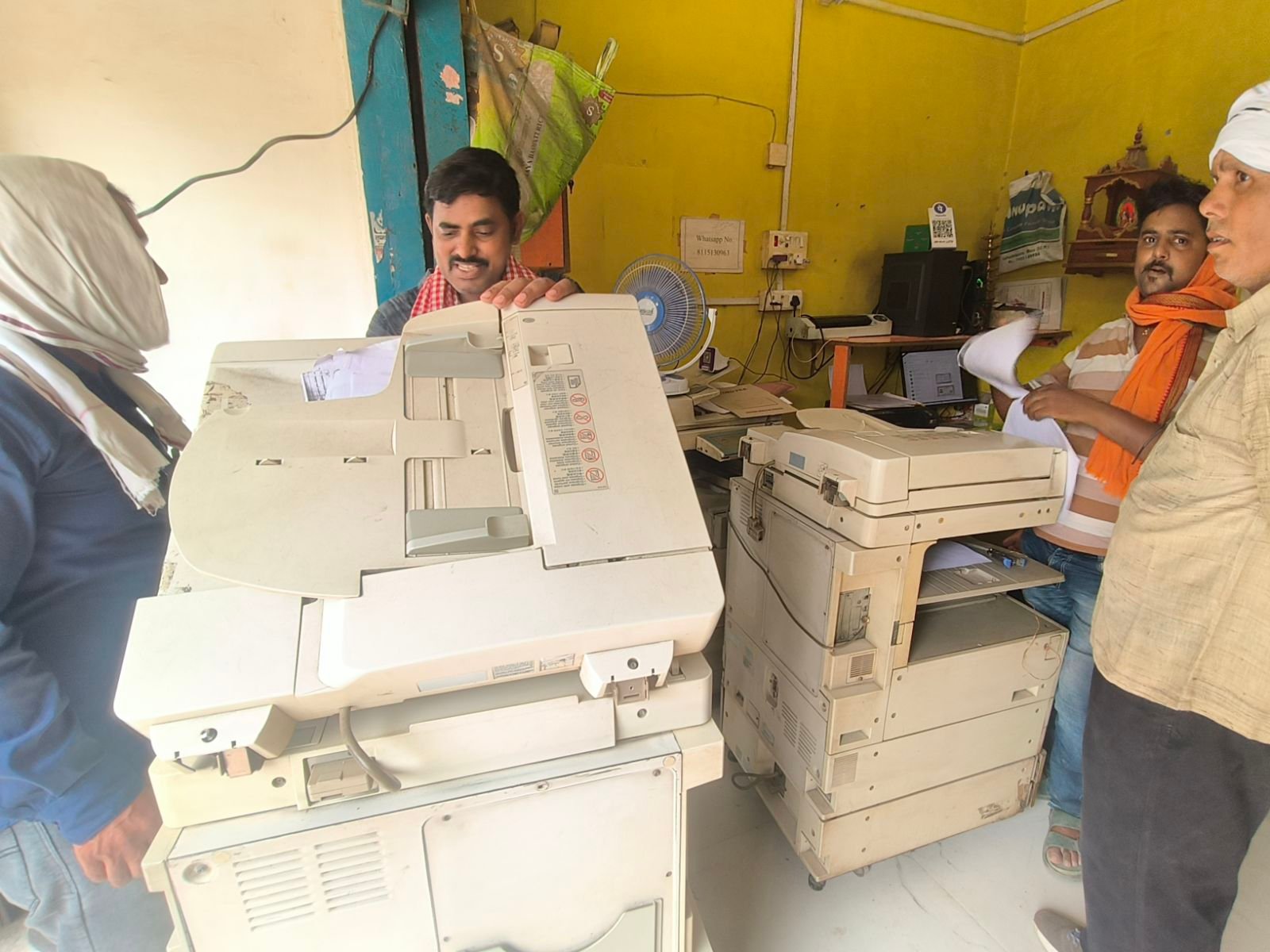
For the last five years, the city’s limited pool of PSPs has felt little need to expand capacity. Relying on basic annual servicing for their light production machines, desktop printers, and passport-size photo printers, these businesses sustain themselves on a relatable human quirk—forgetting necessary documents when needed. Furthermore, the anxiety of “Do I have this document?” frequently drives clients to print the same file multiple times.
Niraj Kumar Gupta, a partner at Jirax Centre, explains that legal printing remains the backbone of the local PSPs. “Legal work and government documents are our bread and butter, while photo requirements are the cake,” Gupta says.
“We don’t add capacity because the demand is rarely in bulk, but our printers run all day. What commercial jobbers consider miscellaneous is what drives our profit. Since there is virtually no product rejection in this business, our main concerns are simply the day-to-day costs of electricity, ink, and substrates.”