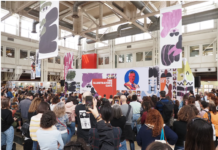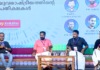
On 13 January 2025, the Adelaide Writers’ Week was cancelled, following the boycott of 180 of the 240 writer participants at this year’s event, scheduled to start on 28 February. The mass boycott followed the board’s announcement on Thursday, 8 January, that ‘national grief’ and ‘community tensions’ emanating from the Bondi Beach shooting on 14 December had prompted it to disinvite Dr Randa Abdel-Fattah from the free literary event that drew over 160,000 in 2025.
The board’s chair, Tracey Whiting, also resigned over the weekend. Former Adelaide Writers’ Week director Jo Dyer told Radio National that Whiting’s decision to quit was unsurprising. “She has … overseen a decision which has trashed the international standing of what is one of the most beloved organisations in Adelaide.” Peter Malinauskus, the premier of South Australia state also supported the writer’s removal. Dyer added that the premier of South Australia had been “criminally negligent in the way that he has approached Writers’ Week … He had brought really unbearable pressure on the board to rescind the invitation to Dr Abdel-Fattah in a way which is completely inappropriate for him to do.”

In a statement, the Adelaide Festival board, which runs the Adelaide Writers’ Week, said their action was based on Abdel-Fattah’s “previous statements,” citing cultural sensitivities – “at this unprecedented time so soon after” the mass shootings at Sydney’s Bondi Beach. The board members nevertheless added that there was no suggestion that Abdel-Fattah or her writings “have any connection with the tragedy.”
After the board’s statement cancelling Abdel-Fattah’s appearance, 70% of the speakers at the event, including novelist Zadie Smith and former New Zealand Prime Minister Jacinda Ardern, withdrew. On Tuesday, January 13, the festival’s director also quit, citing her objections to the board’s decision to disinvite Abdel-Fattah.
A few hours later on the same day, the event was cancelled. A statement on the Festival’s Facebook page said that the event would not proceed and that all remaining board members would resign. The statement, not attributed to any individual member, offered an apology to Abdel-Fattah for “how the decision was represented.”
Abdel-Fattah rejected the apology in a post on X later that day, criticizing the decision to cancel her appearance as “a blatant act of anti-Palestinian racism.” She said the board had apologised for how her removal was presented but not for the decision itself. The lawyer, academic and writer of fiction and nonfiction, decried the move as “censorship” and said the announcement suggested that her “mere presence” was culturally insensitive and that her cancellation by a major national festival was calculated to link her to the Bondi massacre.
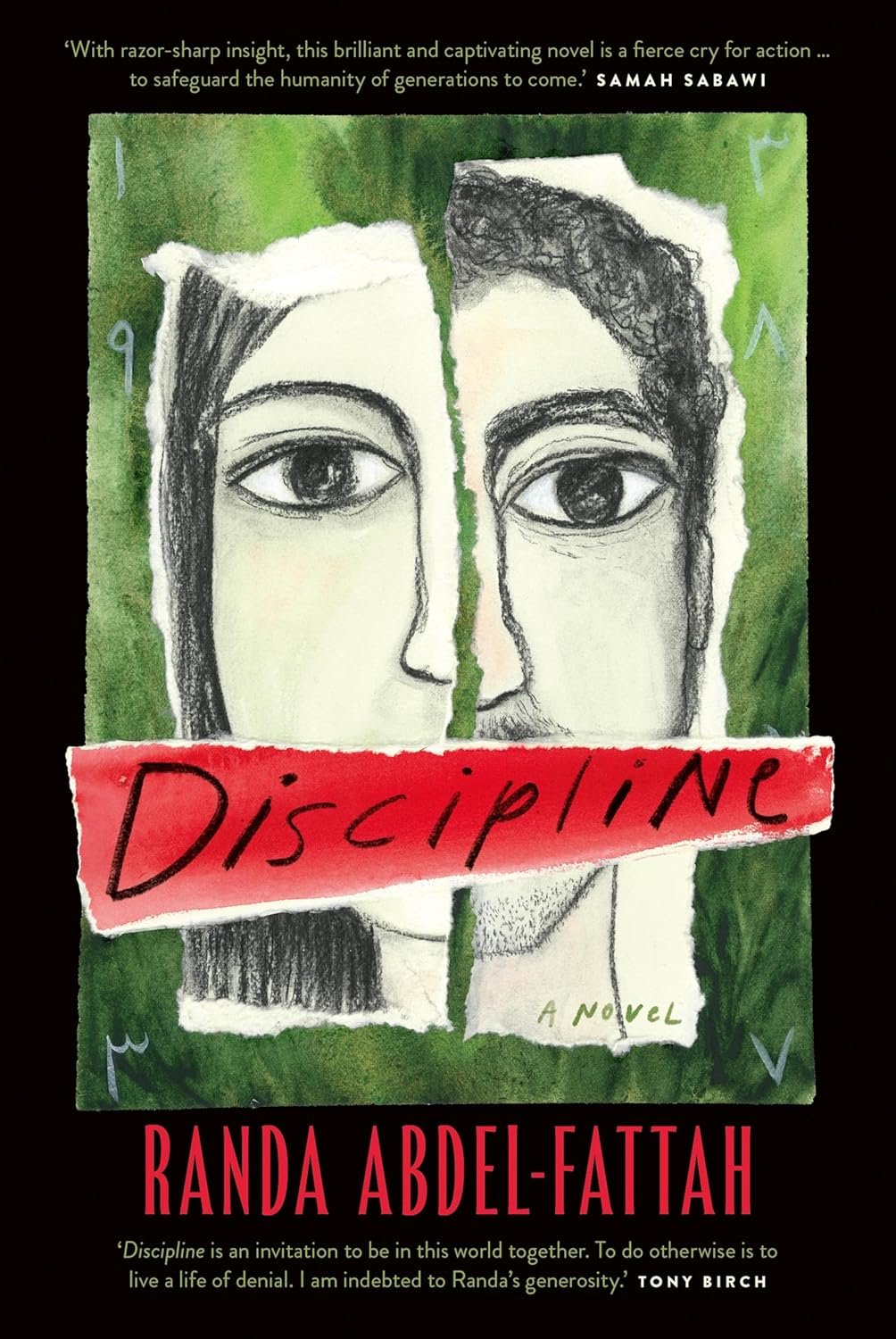
Born in Australia to Palestinian and Egyptian parents, Abdel-Fattah had been invited to speak about her novel Discipline, which follows two Muslims, a journalist and a university student, navigating issues of censorship in Sydney. She has been a critic of the Israeli government and an advocate for Palestinians throughout the more than two-year genocide in Gaza.
Lobbying for Abdel-Fattah’s exclusion follows Bondi Beach mass shooting
A father and son, apparently inspired by Islamic State group ideology, are the accused in the Bondi Beach massacre on 14 December, in which 15 people were shot dead during a Hanukkah event. The surviving shooter, Naveed Akram, has so far not entered a plea to the multiple murder, terrorism and other charges he faces. Following the Bondi Beach shooting, the Jewish Community Council for South Australia wrote to the festival asking for Abdel-Fattah’s exclusion.
Legal action
The disinvited author has been categorical in her statements and in defense of her rights. “It is hard to view the timing as accidental rather than a calculated decision to make the announcement on that particular day and to reinforce the link between me and the Bondi atrocity,” she said. “No amount of retrospective back-pedalling about vague ‘prior statements’ can obscure the fact that I was formally disinvited on the grounds that my Palestinian identity would act as an emotional provocation.
Lawyer Michael Bradley speaking to the press on behalf of Abdel-Fattah, said, “The moral indefensibility of the Adelaide Festival board’s actions has been amply evidenced by the reaction its provoked.” He added that it also trampled on Randa’s human rights, and the board will have to answer for that.”