The Offset Printers Association (OPA), based in Ludhiana has on behalf of India’s printing and packaging sector, appealed to finance minister Nirmala Sitharaman to reconsider the proposed GST increase on paper and paperboard from 12% to 18%, effective 22 September 2025.
While welcoming the GST Council’s decision to reduce tax on cartons, boxes, and cases (HSN 4819 10 & 4819 20) from 12% to 5%, the OPA cautioned that the higher levy on paper would cripple 92% of the industry’s micro and small units. Together, these units contribute ₹1.2 lakh crore to the GDP and sustain over 2.5 million livelihoods.

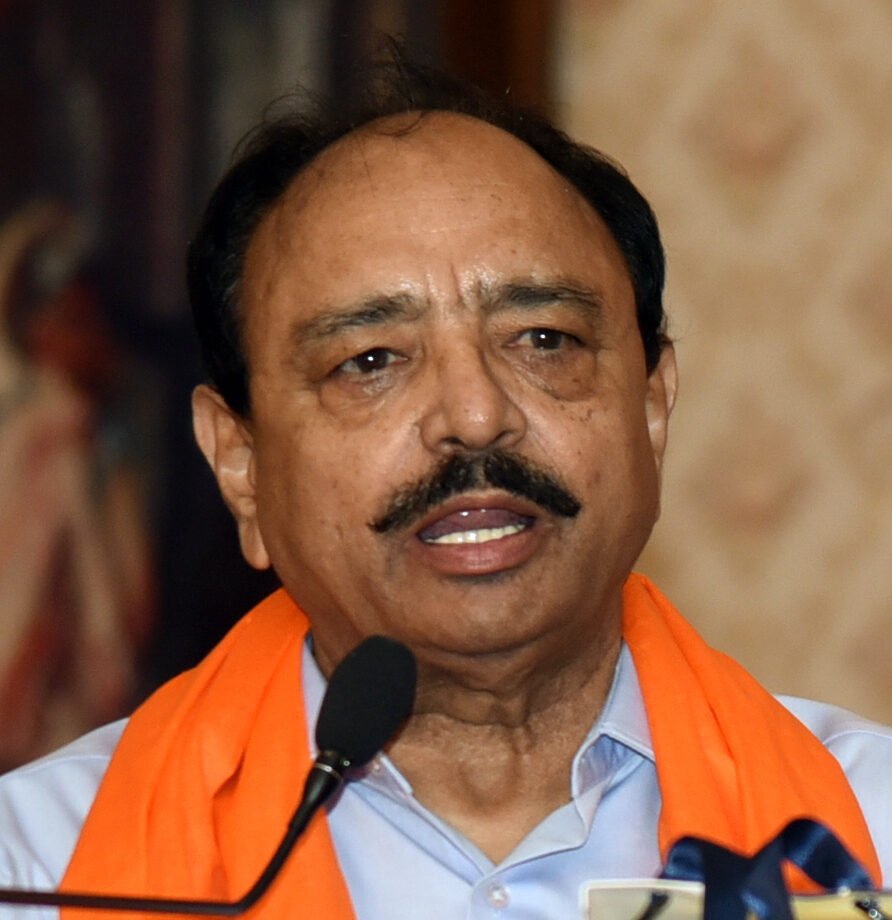
Stressing the sector’s importance, OPA president Parveen Aggarwal said, “Printing and packaging are the silent engines powering education, FMCG, pharmaceuticals, retail, and exports. With packaging alone accounting for nearly 65% of India’s ₹80,000-crore paper market, the industry is deeply interwoven with every household and every sector of the economy. Imposing 18% GST on paper while keeping finished packaging at 5% creates a crippling 13% inverted duty structure.

This imbalance will trap working capital, erode competitiveness, and could push almost 30% of micro and small units—the backbone of this industry—towards closure within just a year. Such a move endangers not only businesses but also the 2.5 million livelihoods and ₹1.2 lakh crore GDP contribution the sector sustains.”
General secretary Kamal Chopra warned of the social impact. Paper is not just a commodity—it is the soul of education, knowledge, and culture, he said. Nearly 70% of India’s 250,000 printing units are devoted to producing textbooks and learning materials that shape the future of our nation, he said.
“A GST hike from 12% to 18% on paper could increase schoolbook prices by 10–15%, directly burdening over 200 million students and millions of families. This comes at a time when households are already grappling with rising education costs and inflationary pressures. Such a move risks undermining the government’s vision of ‘Education for All,’ widening the gap between privileged and underprivileged children, and threatening the very foundation of literacy, which is the backbone of national progress and social equity.”
Industry concerns and numbers
Inverted duty burden: 18% GST on inputs versus 5% on outputs could lock up ₹5,000 crore annually in working capital.
Operational strain: Refund delays of 6-9 months hit 80% of small enterprises, where single entrepreneurs handle multiple roles.
Falling demand: Paper demand is already down 5.6% annually since 2020, with another 8-10% decline projected if GST rises.
Classification gaps: NIL GST on paper to be used for exercise books, graph books, & laboratory notebooks (HSN 4820) versus 18% on similar grade of paper used for textbooks and other stationery fuels disputes for 60% of traders.
OPA’s appeal
Reduce GST on paper and paperboard to 5%, in line with cartons, boxes and cases of, (a) corrugated paper or paper boards; or (b), non-corrugated paper or paper board (4819 10 and 4819 20).
Ensure a uniform GST rate across all paper products to end classification disputes.
Extend 5% GST to the entire chapter 48 (Paper & Paperboard) to protect micro units and lower education costs.
“We trust the Minister’s vision to safeguard 2.5 million livelihoods and ₹1.2 lakh crore in economic value,” said Chopra. Aggarwal added, “This is about preserving the backbone of education and commerce for India’s future.”