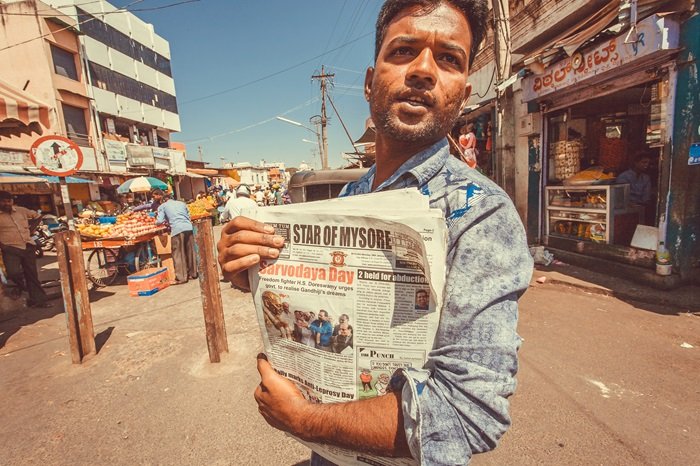
We have heard from industry sources that the just past Diwali was a success in terms of advertising revenues for the leading Indian multilocational newspaper groups. November ad revenues for some were in some cases double that of the previous Diwali and perhaps higher than any single month in previous years. However, this uptrend, which will hopefully continue through Christmas and the New Year, will only be reflected in the October to December quarterly results as they become available.
Meanwhile, looking at the FY 23-24 Q2 (July to September) numbers of the five print news media groups that are listed on the stock exchange indicates that the recovery if any from the previous bad years is slow. Three of the five groups that we have looked at have experienced anemic net sales growth if at all, while overall costs have gone up from the same period in the previous year.

Jagran Prakashan’s net sales have only risen to Rs 458.73 crore in the current September quarter from Rs 454.16 core in the September 2022 quarter. Profit declined to Rs 44.43 crore this year compared to Rs 50.68 crore in the previous year’s Q2. Employee costs rose Rs 103.09 crore from Rs 97.19 crore in the same quarter last year. However, the consumption of raw materials, which is the only way we have to approximate the combination of circulation and pages produced, declined from Rs 134 crore in the previous year’s Q2 to Rs 120 crore in the current year.
DB Corp’s revenue has risen in the Q2 2023-24 quarter to Rs 586 crore compared to Rs 538 in Q2 of FY 22-23. While profits have more than doubled to Rs 100 cr in comparison to Rs 49 crore in the previous year’s Q2, employee costs have risen by considerably Rs. 16 crore in the current year’s quarter. However, as in the entire industry, the cost of raw materials consumed in this year’s Q2 is Rs 183.24 crore compared to Rs 217.08 crore in the similar period of last year, indicating a combined decline in circulation and pages produced.
The consolidated HT Media nets sales/income in this financial year’s Q2 has come down to Rs 394 from the previous year’s Rs 409 crore in the corresponding period. Consumption of raw materials shrinks from 160 to 124 in 9/23. While employee costs have risen marginally from Rs 93.18 crore in Q2 22-23 to Rs 101.24 crore in Q2 23-24. The losses in Q2 have decreased from a loss of Rs 167.75 crore in the previous year to a loss of Rs 50.31 in the current year.
The consolidated figures of Hindustan Media Ventures show a decline in net sales from Rs 175.62 crore in Q2 FY22-23 to Rs 164.53 crore in Q2 FY23-24. The Q2 employee cost has hardly risen from Rs 39.99 crore in the previous year to Rs 40.87 in the corresponding period this year. The losses in Q2 have decreased from a loss of Rs. 28.32 crore in the previous year to a loss of only Rs 6.80 crore in the current year. The consumption of raw materials has declined from Rs 83.10 crore to Rs 63.59 crore in the current year.
As far as Sandesh is concerned, the net sales have come down to Rs 72.46 crore this Q2 year from Rs 81.51 crore for Q2 in the previous financial year. Employee costs have declined slightly from Rs 9 crore to Rs 8.51 cr in Q2 of FY23-24. Net profit has declined from Rs 44.05 crore in Q2 of the last financial year to Rs 25.91 crore in Q2 FY23-24. For this group, the consumption of raw materials including newsprint has down from Rs 33.55 crore in the previous period to Rs 28.18 crore in Q2 of FY23-24.
It is difficult to attribute the decline in the cost of consumption of raw materials to any significant decline in newsprint prices. Newsprint prices have on the whole been benign this year around US$ 678 per metric ton and are expected to decline by perhaps as much as US$ 55 to US$ 678$ in 2024.
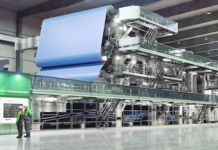
Nevertheless, major newspaper groups are facing the challenges of obsolete presses where it is difficult at times to find genuine spare parts, especially electronic components. There is an attempt to refurbish some of the bigger machines to extend their life by as many as 10 years and there is also interest in importing not new but used machines that can be reliably maintained for at least 10 to 15 years.
The publishers are mostly conservative and unwilling to address the challenges the wastage and human resource challenges they face that could be addressed by a combination of contract printing plants producing several dailies and other products. Other remedies may consist of new automated presses for smaller formats or at least with smaller widths and web cut-offs. Meanwhile, the process of moving units and presses from one line or plant to another continues with very few purchases of new newspaper presses.