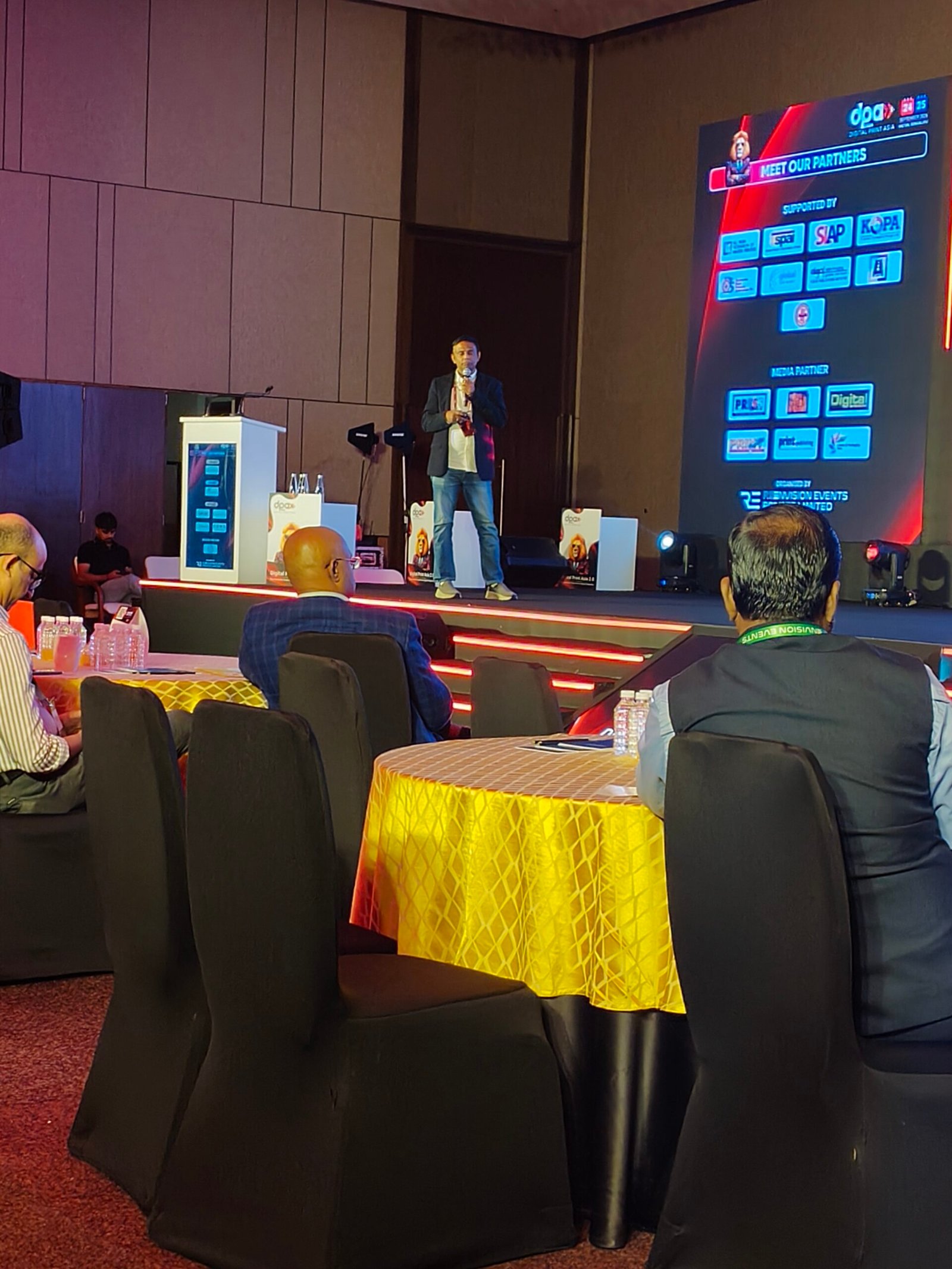
Digital printers need to address finishing bottlenecks as shorter runs, variable titles and book-on-demand production increase, Kishore Kumar, CEO of SigLoch-Bindwel Technologies, said at Digital Print Asia in Bengaluru.
Kumar said digital book production has become increasingly automated from order processing through prepress and printing, but binding and trimming can still require significant manual intervention. This can make changeovers a major constraint for printers handling a large number of titles in a single day.

A typical digital workflow begins with orders received through web portals, mobile applications, publishing content-management systems, or trade APIs. Orders are converted into job tickets or production schedules before moving through prepress, printing, binding, and trimming.
According to Kumar, a skilled operator can typically complete a binder changeover in around four to six minutes. However, when a production line handles hundreds of different jobs a day, the cumulative time spent on setup can significantly reduce productive machine hours.
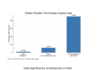
He illustrated the issue with a scenario involving 1,000 books, each representing a different title. Under a conventional workflow, producing the mix could take about 68 hours, while automated finishing could reduce the time to around 1.7 hours, depending on the production configuration.
Kumar said the key difference is the ability of automated finishing equipment to receive job information and adjust settings from one title to the next without requiring extensive manual setup.
Digital book production can involve both toner-based cut-sheet printing and inkjet production. In the former, printed sheets are typically collated before binding, while inkjet workflows can incorporate cutting, folding and signature preparation before the book reaches the finishing stage.
The choice of finishing system also depends on the mix of work, Kumar said. Printers producing individual books or very small quantities have different requirements from operations handling longer runs of the same titles.
He highlighted three approaches to automating job changes: using JDF data, storing job information in machine memory, or using QR and Data Matrix codes to communicate production specifications to the equipment.
JDF can contain information including the book format, page count, paper specifications and trimming requirements. Where JDF connectivity is unavailable, stored job recipes or machine-readable codes can provide an alternative means of automating setup.
Kumar said binding and trimming can form a relatively small part of the overall production cycle, but delays at the finishing stage can affect the ability to meet short delivery times. In a typical digital workflow discussed during the presentation, an order could move from job preparation and prepress through printing and finishing to dispatch within about four hours.
Printers should examine their own production data before investing in finishing equipment, he said.
Kumar recommended analyzing at least 90 days of production data to determine the number of titles handled, typical quantities, frequency of changeovers and overall production mix. This, he said, would allow printers to identify the appropriate level of automation rather than selecting equipment based solely on rated machine speeds.
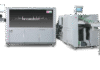
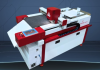
SigLoch-Bindwel’s portfolio includes systems such as the SigLoch Ultra CF – PUR, INSTA and Bindwel Freedom 2K, while its finishing range also includes the Trimit 30C SRT. Kumar’s presentation focused primarily on the broader role of automated finishing and data-driven workflows rather than on individual machine specifications.