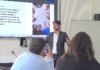
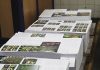
The KIPES Exhibition in Seoul, held from 31 August to 3 September 2016, has grown significantly over the past few years. This year’s event featured three important conferences for local printers and for those across Asia, all of which centered around latest technologies and networking. Visits to a leading packaging plant, to the central library (Asian Publication Culture and Information Centre) and to an art gallery in Paju Bookcity were some of the highlights for visiting printers. Paju has been both a witness to the Korean traditions of print and visual culture and a visionary settlement that is alive with anticipation to a future that might consist of digital interactive media.
Paju embodies the idea of restoration of the human spirit—a conscious answer to occupation, fratricidal war, and the indiscriminate influx of Western culture and authoritarian rule. The Bookcity project associates the creation of a common ground or meditative and thinking space that links the metaphors of publishing to urban design and architecture. The planning of the city keeps in mind the painstaking expertise of book manufacturing to create a cultural hub for the planning, designing, printing and distribution of books in contiguous spaces.

The entire city is planned as an architectural exhibition—a revolt against chaos and faceless industrial architecture. Initiated in 1989, the overall design of the city was undertaken by a team headed by Dr Hwang Ki-Won from the Graduate School of Environmental Studies at Seoul National University. Outstanding Korean architects such as Min Hyun-sik, Seung H-Sang, Kim Jong-kyu and Kim Young-joon worked with British architect Florian Beigel of the University of North London to prepare the architectural guidelines for the new city. Forty architects from Korea and around the world designed the first phase of buildings that attempted to blend the best of publishing and architectural values. Sectors were created; a process and contract was forged between the designers and the tenants in order to maintain the harmony of the landscape even as the city’s industrial, commercial and cultural objectives were realized.
This was my second visit to the publishing industrial complex, dubbed by CNET as South Korea’s digital dynasty. Within 27 years of its conception, Paju Bookcity has turned into a thriving hub for poets, musicians, film-makers, archivists, painters, publishers, printers and distributors; concerts, exhibitions, book fairs, film festivals and international conferences are held around the year and the library centre draws bus-loads of tourists with their children every day.
Since I first heard about Paju Bookcity at the Frankfurt Book Fair in 2005, I have been fascinated by the idea of it and on a first visit almost a decade ago, I could only marvel at the purposeful and flamboyant execution of its very emotional idea. Some visitors find such a plan or ambition too ideologically loaded or even cloying. The idea of building a publishing industrial complex with a democratic cultural theme in India is intriguing—its impossibility makes it an even more tempting challenge.